
The allure of chance
The inherent unpredictability of casino games is a significant factor that draws individuals to participate. This fascination with chance taps into deeper psychological traits, such as thrill-seeking behavior and the desire for risk. Players often feel an adrenaline rush when wagering their money, as the stakes increase with each spin of the wheel or flip of a card, especially when considering the best betting sites australia that offer enticing opportunities. This phenomenon is tied to the brain’s reward system, where potential gains activate pleasure centers, creating a compelling urge to continue playing. The thrill of uncertainty makes each game an adventure, where players hope to outsmart fate and come out victorious.
Moreover, the excitement surrounding chance is often amplified by social dynamics. Casinos provide a vibrant atmosphere filled with the sounds of clinking chips and cheering players, turning gaming into a communal experience. The shared thrill of winning or losing can enhance participants’ engagement, leading to prolonged sessions at the tables. This social aspect can sometimes magnify individual emotions, causing players to become more enveloped in the experience, which may lead to potential overindulgence. The connection forged through shared experiences can create a sense of belonging, further drawing individuals into the gambling world.
Additionally, the psychological concept of “variable reinforcement” plays a crucial role in why players are attracted to casino games. This principle suggests that inconsistent rewards, such as winning at random intervals, can reinforce behavior more effectively than predictable outcomes. For instance, a player may lose several times but then hit a jackpot, making the experience memorable and heightening the urge to return for more, perpetuating a cycle of play that is hard to break. This unpredictability can create a gambling ‘high’ that players chase, often at the expense of rational decision-making.
The role of design and environment
The physical design of casinos is meticulously crafted to enhance the overall gaming experience and encourage players to spend more time and money. Bright lights, engaging sounds, and visually appealing layouts work together to create a stimulating atmosphere that captivates players. This sensory overload can distract individuals from the reality of their gambling habits, effectively manipulating their perceptions of time and money spent. For instance, the absence of clocks and windows in many casinos contributes to a disconnection from the outside world, allowing players to lose track of time.
Moreover, many casinos employ psychological tactics in their game layouts to encourage prolonged engagement. For example, slot machines are designed to be at eye level, making them easily accessible and enticing. The bright screens and captivating themes can create a sense of escapism, drawing players deeper into the experience. This design philosophy is rooted in the understanding that a comfortable and inviting environment can lead to increased spending, as players lose track of both time and their bankrolls. Furthermore, the strategic placement of games and amenities is intended to guide the flow of foot traffic, ensuring that players are continuously drawn to various gaming options.

The use of free drinks and other incentives is another strategic element in casino design. By providing complimentary services, casinos aim to create a relaxed environment that encourages players to remain engaged. This technique not only enhances the overall experience but also promotes increased betting, as players may feel emboldened to place larger wagers while indulging in free refreshments. Such psychological manipulation highlights how casinos tailor their environments to facilitate a more immersive gaming experience, often blurring the lines between entertainment and addiction.
Addiction and risk-taking behavior
Gambling addiction is a pressing issue that stems from the psychological mechanisms at play within casino games. Compulsive gambling can often result from individuals seeking to escape negative emotions or life stressors, using betting as a coping mechanism. The initial thrill of winning can quickly turn into a destructive cycle, wherein players chase their losses, spiraling into deeper financial and psychological distress. This cycle can be exacerbated by the normalization of gambling in various cultures, where it is often viewed as a harmless pastime rather than a potential addiction.
The concept of risk-taking behavior is pivotal in understanding why some individuals become addicted to gambling. People who engage in high-risk activities are often drawn to the potential for significant rewards, creating a powerful allure. This desire can be compounded by the social acceptance of gambling in certain cultures, where it is seen as a form of entertainment rather than a potential addiction. Understanding these behavioral patterns can lead to more effective prevention and intervention strategies, allowing for better support systems to help those in need.
Importantly, responsible gaming initiatives are essential in addressing gambling addiction. Awareness campaigns and support resources can help individuals recognize the signs of problem gambling and encourage them to seek help when needed. By fostering an environment that prioritizes responsible play, casinos can mitigate the adverse effects of gaming culture and promote healthier engagement with their offerings. This proactive approach is crucial in balancing the entertainment aspect of gambling with the need for player safety and well-being.
Psychological rewards and losses
The emotional impact of wins and losses in casino games plays a significant role in shaping player behavior. Winning often produces a euphoric feeling, reinforcing the desire to engage further in gambling activities. This emotional response can lead players to overestimate their chances of future success, creating a false sense of confidence. The thrill of a win can mask the reality of the odds, leading players to believe that they are on a fortunate streak, even when statistics suggest otherwise.
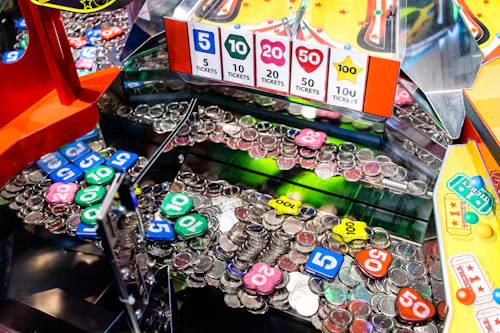
Additionally, the concept of “loss aversion” comes into play, where individuals feel the pain of a loss more intensely than the joy of a comparable win. This psychological trait can drive players to chase their losses aggressively, resulting in a cycle of increased betting. The emotional rollercoaster of gambling can create a volatile relationship with money, where players may prioritize the potential for a win over the reality of their losses. Understanding how emotions influence decision-making in casino environments can provide insights into why players may struggle with self-control in their gambling activities.
Further complicating this dynamic is the phenomenon of “near misses,” where players come close to winning but ultimately do not. These near wins can stimulate the brain’s reward system, creating a compelling urge to continue playing. Players may interpret these occurrences as signs of potential success, leading them to believe that their next bet could result in a substantial win, despite the reality of their odds. This psychological manipulation is a crucial aspect of casino design and gameplay mechanics, often keeping players engaged longer than they initially intended.
Exploring responsible gaming online
In the digital age, the evolution of online gaming platforms has introduced new challenges and opportunities for responsible gambling. Many online casinos employ strategies to promote healthy gaming, such as setting deposit limits or offering self-exclusion options. These features empower players to take control of their gaming habits, reinforcing the importance of responsible play in an increasingly accessible environment. This proactive approach is essential in ensuring that players maintain a healthy relationship with their gaming activities.
Despite the conveniences of online gaming, players must remain vigilant regarding their gambling habits. The anonymity of the internet can make it easier for individuals to lose track of their spending and time, potentially leading to problem gambling. Educational resources and support networks play a vital role in fostering a safe online gambling community, encouraging players to make informed decisions about their gaming activities. By providing tools and resources for responsible gaming, online platforms can create a safer environment for users.
As online gaming continues to expand, fostering an environment that prioritizes player well-being is essential. Collaboration between gaming operators, regulators, and mental health professionals can lead to innovative solutions that safeguard players while preserving the enjoyment of gaming. By prioritizing responsible gaming practices, online platforms can create a sustainable future for the industry that benefits both players and operators alike. This collective effort is critical in shaping a gaming culture that values player safety and responsible engagement.
0 Comments